Read This First: A Safe, Plain‑English Guide to Altcoins
You might hear friends talk about floki coin, popcat coin, or some new “x coin” and think:
“Is this the next big thing, or is it a trap?”
You are not alone.
In 2026, there are thousands of coins. Almost all of them are called “altcoins.” That word just means any virtual coin that is not Bitcoin, like floki coin, IOTA coin, CRO crypto, Aave crypto, or even meme coins and trump coin crypto ideas.[^altcoins-def]
Some altcoins try to fix things people see as weak in Bitcoin. Others try to do new things, like smart contracts or very fast payments.[^gemini-btc-alt] Some are serious projects. Some are jokes. Some are open scams.
At the same time, Bitcoin is still the main coin in the market. Many experts say Bitcoin keeps a strong lead, while the big story about altcoins is weaker in 2026 than in past years.[^ainvest-dominance]
So where do coins like:
- floki coin
- IOTA coin
- CRO crypto
- Aave crypto
- bitcoin gold
fit in? And how do you tell the difference between a real project and a trap?
This guide is here to help total beginners.
What you’ll get in this guide
In simple, clear language, you will learn:
- What altcoins are, in plain English
- Why coins like floki coin, IOTA coin, CRO, and others get so much attention online
- How hype works on new coins like popcat coin or any fresh meme coin
- Why many altcoins fail, even if they look exciting at first
- How to think about altcoins next to Bitcoin, not instead of it
You will also get easy checklists you can use before you put in even one dollar. These will help you:
- Research any virtual coin step by step
- Spot basic red flags and common scams
- Avoid “too good to be true” promises
- Stay in control of your own money and risk
If you are very new to crypto, it can also help to first learn what a blockchain is, in very simple terms. You can read our plain guide on what a blockchain really is to build that base.
How this guide keeps you safe
We will focus on:
- Clear words, not tech talk
- Safety and risk, not fast get rich plans
- Facts and simple logic, not hype
As you read, you will see that you do not need to chase every new x coin that pops up on social media. You can move slowly, check things, and only take risks you really understand.
If you want a step by step path for Bitcoin itself, with simple lessons, checklists, and no jargon, you can try the Bitcoin Walkthrough training. It is made for total beginners who want to feel calm and safe, not rushed by hype. You can Sign Up and start learning at your own pace.
[^altcoins-def]: For a clear overview of how altcoins are defined as any crypto that is not Bitcoin, see this explanation of what altcoins are and how they differ from Bitcoin.
[^gemini-btc-alt]: For a simple breakdown of how altcoins can offer different features like smart contracts or faster payments, see this guide on Bitcoin vs altcoins and what you need to know.
[^ainvest-dominance]: For 2026 context on how Bitcoin still leads the market while many altcoins struggle, see this analysis of Bitcoin’s market dominance and the weaker altcoin story.
Altcoins 101: What They Are, How They Differ from Bitcoin, and Why Volatility Matters
Picture this. You hear about floki coin on TikTok, popcat coin on X, and some new “x coin” in a group chat. Then someone says, “But Bitcoin is still king.”
So what are all these other coins, and why do their prices jump so fast?
What is an altcoin, in plain English?
In 2026, the word “altcoin” just means any virtual coin that is not Bitcoin.[^ir-alt]
So all of these are altcoins:
- floki coin
- eth coin
- IOTA coin
- CRO crypto
- Aave crypto
- bitcoin gold
- trump coin crypto ideas
- fun meme coins like popcat coin
They are all built on blockchains, like Bitcoin, but they are not Bitcoin.
Some altcoins try to:
- Move money faster or cheaper
- Add smart contracts, like eth coin
- Focus on a niche, like lending in Aave crypto
- Ride memes and hype, like floki coin or popcat coin
Others are copies of old coins, with tiny changes, or even just cash grabs.[^gem-alt]
If you are not clear yet on how blockchains work, you can pause here and read our simple guide on what a blockchain really is. It will make the rest of this much easier to follow.
[^ir-alt]: For a simple overview of how altcoins are any coin that is not Bitcoin, and how their goals can differ, see this guide on what altcoins are and how they differ from Bitcoin.
[^gem-alt]: For more detail on how some altcoins add smart contracts or faster payments, see this breakdown of Bitcoin vs altcoins and what you need to know.
How altcoins differ from Bitcoin
You can think of Bitcoin as the “base layer” of crypto. In 2026, it still leads the market by a wide gap.[^ainv-dom]
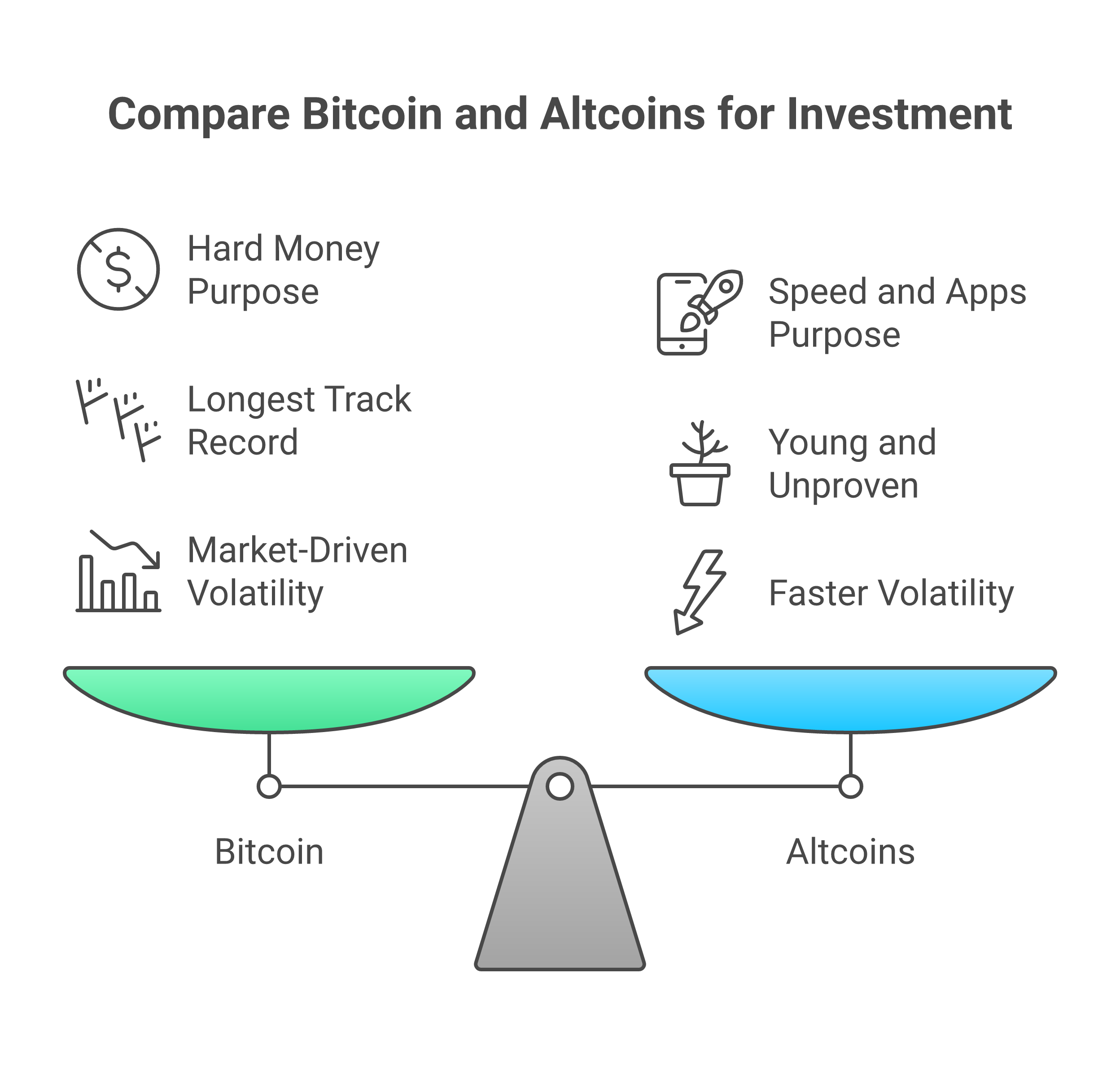
Altcoins are different from Bitcoin in at least three key ways:
-
Purpose
- Bitcoin aims to be hard money that no one can print more of.
- Altcoins might chase speed, apps, memes, or special use cases.
-
Risk level
- Bitcoin has the longest track record and biggest network.
- Many altcoins, like a new x coin, are young and unproven.
-
How fast things can change
- Bitcoin tends to move with the whole market.
- An altcoin like floki coin or trump coin crypto can go up or down many times faster.
In 2026, many experts say Bitcoin’s story stays strong, while the big “altcoin revolution” story is weaker than in past cycles.[^ainv-dom] Some altcoins may still do well, but many others fade out.
[^ainv-dom]: For 2026 context on how Bitcoin still holds a clear lead while many altcoins lag, see this review of Bitcoin’s market dominance and the weaker altcoin story.
Why volatility matters for beginners
Volatility means how fast and how far prices move.

Crypto is one of the most volatile markets in the world. Altcoins are even more volatile than Bitcoin.
Some simple patterns you will see:
- A small virtual coin can drop 50 percent in a week.
- A meme coin like popcat coin can rise 10 times, then fall 90 percent.
- Even bigger names like eth coin or bitcoin gold can swing hard in short time frames.
Here is the key idea for you as a beginner:
The more volatile a coin is, the smaller your position size should be.
Position size just means how much of your money you put into that one coin.
A simple safety rule:
- Only use money you can fully afford to lose on coins like floki coin or a new x coin.
- Keep risky altcoins as a small slice, not your whole stack.
- Start small, then learn how prices move before adding more.
If you later decide to buy any coin on an exchange, it also helps to know how that platform works. Our guide on what Coinbase is and which product beginners should use can give you a clear, step by step view.
A calm next step
If this all feels like a lot, that is normal. You do not have to master floki coin, CRO crypto, IOTA coin, and Aave crypto all at once. A safer path is to first build a solid base in Bitcoin.
Bitcoin Walkthrough gives you that base, with short lessons, checklists, and no hype. If you want a calm, guided start, you can Sign Up and learn at your own pace before you even think about putting real money into any altcoin.
Floki Coin: What It Is, Why People Talk About It, and Key Risks to Watch
You see floki coin on TikTok, X, and in group chats. The dog logo looks fun. The price looks tiny. It feels like, “If it just goes to 1 dollar, I’ll be rich.”
Here is what floki coin really is, in simple words, and what you should watch for before you even think about buying.
What floki coin is, in plain English
Floki (often called Floki Inu) is a meme coin. It started in 2021 after a tweet by Elon Musk about a dog named Floki.[^floki-supply]
Some key points:
- It is an altcoin, not Bitcoin.
- It runs as a virtual coin on blockchains, not as paper money.
- It uses a cute dog brand, like other meme coins.
Floki has a huge fixed supply, around 10 trillion coins.[^floki-supply] So the price of one coin can look very small. That does not mean it is “cheap” or has to go up.
In 2026, the Floki team also talks about:
- Crypto gaming projects
- A “banking” and DeFi style ecosystem
- A token platform called TokenFi
- Trying to be more than “just a meme”[^floki-ecosystem]
So floki coin sits in a mixed bucket: part meme, part “we are building real stuff” story.
[^floki-supply]: For details on Floki’s supply and launch, see this summary of FLOKI tokenomics and total supply.
[^floki-ecosystem]: For a 2026 look at how Floki is pushing gaming, banking, and tokenization while still trading below past highs, see this review of FLOKI’s ecosystem and price context.
Why people talk about floki coin so much
People do not talk about floki coin only for tech. They talk about it because it is loud and visible.
Common reasons you see it everywhere:
-
Meme power
Dog coins spread fast on social media. Think of how popcat coin and other meme coins can trend overnight. -
Big marketing moves
The project runs ads, partners, and uses strong branding. This draws more eyes, then more trading. -
Hype and tiny price per coin
New buyers see lots of zeros after the decimal. It feels like “easy upside,” even if the total value is already large. -
Narrative of “more than a meme”
The team promotes gaming, DeFi, and tools like TokenFi. Supporters say this gives the coin “real utility.”
You might also see wild price calls online.
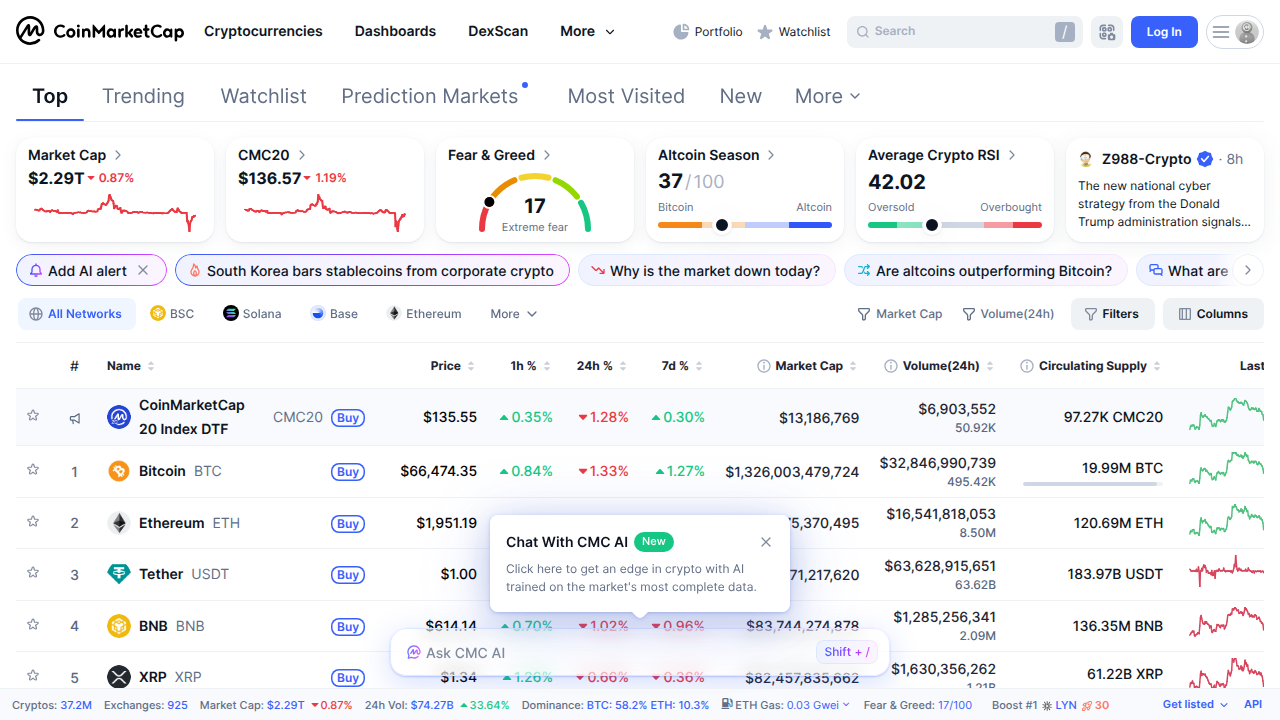
Some sites share Floki price predictions for 2026 and beyond. Treat every forecast as a guess, not a promise, no matter how “expert” it sounds.
Where floki coin fits among other altcoins
Think back to the coins from the last section:
- eth coin tries to be a smart contract base layer.
- Aave crypto focuses on lending and borrowing.
- IOTA coin and CRO crypto chase other niches.
- Meme coins like floki coin and popcat coin lean hard on brand and community.
Floki tries to live in two worlds:
- Meme world (dog, brand, hype, “Floki Vikings”)
- Utility world (games, DeFi, token tools, even talk of “banking”)
It is still very different from Bitcoin, bitcoin gold, or eth coin. Those older coins aim at core money or base layer tech. Floki is much more tied to fast marketing and fast mood swings.
Key risks to watch before touching floki coin
Here is a simple, beginner friendly checklist. You can use this same list for any new x coin, trump coin crypto, or other virtual coin that pops up.
1. Token distribution risk
Ask: “Who holds most of the coins?”
- If a few wallets hold a big share, they can dump on the market.
- That can crush the price in a single day.
With a huge supply like Floki’s 10 trillion coins, you also want to know:
- How much is locked for the team or “treasury”
- How much sits in exchange wallets
- How much is in real, spread out holders
You can learn to check coin movements yourself with tools. Our guide on what a bitcoin block explorer is and why you need one shows the basic idea, which also helps you read other blockchains more calmly.
2. Liquidity and exit risk
Next question: “If I buy, can I get out?”
- Look at trading volume and number of exchanges.
- Low liquidity means you might not be able to sell without moving the price a lot.
- If most trading is on a few risky platforms, that is another red flag.
Meme coins like floki coin often have big volume on hype days, then very thin volume when the crowd leaves.
3. Roadmap and delivery risk
Floki’s story now includes gaming, DeFi, and tokenization. That sounds big, but you should ask:
- Which parts are live today?
- Are users actually using the game or app?
- Are features audited and safe?
A glossy roadmap is easy to draw. Shipping real, secure products is hard. If most value talk comes from “future plans” instead of real use, treat it as high risk.
You can sometimes hear team members speak about their plans, for example in talks about how Floki is growing TokenFi and gaming. A video like this Floki ecosystem interview can help you see how much is marketing talk and how much is concrete progress.
4. Marketing driven volatility
Meme heavy coins move on mood:
- A new ad or tweet hits, the price jumps.
- Hype cools off, the price slides hard.
Forecasts often highlight this fast swing nature. One 2026 review even talks about possible quick moves in Floki’s price over short periods.[^floki-forecast] None of that is a guarantee.
If you ever choose to trade a coin like this:
- Keep position size tiny.
- Expect large, sudden drops.
- Never use rent or food money.
This is speculating on hype, not long term saving like holding Bitcoin.
[^floki-forecast]: For an example of how some people expect sharp moves in FLOKI’s price over short time frames, see this 2026 FLOKI price prediction and recovery target.
How to stay safe if floki coin tempts you
If floki coin, popcat coin, or some new x coin looks exciting, slow down and ask:
- Do I fully understand that this can go to zero?
- Is this less than 1 to 5 percent of my total money?
- Do I already have a safe base in Bitcoin first?
If you are still new to crypto, the best next step is not to chase floki coin. It is to learn how Bitcoin, wallets, and keys work so you do not lose money by mistake. Our simple guide on what private keys and public keys really mean is a smart first stop.
When you are ready to build that calm base, Bitcoin Walkthrough can guide you, step by step, with no hype and no jargon. You can Sign Up and work through short lessons before you risk a single dollar on any altcoin.
IOTA (MIOTA): The Basics of the Tangle, IoT Ambitions, and Practical Considerations
After looking at floki coin and other meme style virtual coin projects, it helps to see a very different kind of altcoin. IOTA (token: MIOTA) is one of those.
It is not trying to be a dog meme like popcat coin or trump coin crypto. It is trying to power tiny machine to machine payments in the Internet of Things (IoT).
What makes IOTA different: the Tangle, not a blockchain
Most coins, like Bitcoin, bitcoin gold, or eth coin, use a blockchain. Blocks line up in a chain. Miners or validators add new blocks and keep the chain in order. If that idea is new, you can read our simple guide on what a blockchain is in plain English.
IOTA took a different path. The core tech is called the Tangle. It is a special kind of graph, not a list of blocks.[^iota-tangle]
In simple terms:
- There are no blocks, just many small transactions.
- When you send a transaction, you also help confirm two old ones.
- The system aims for no fees, so very small payments are possible.
The idea is that tiny devices, like sensors or smart meters, can send data or money to each other very fast and very cheap.[^iota-iot]
That is very different from floki coin or cro crypto, which mostly sit on normal blockchains.
[^iota-tangle]: For a high level look at how the Tangle works as IOTA’s transaction and data layer, see this overview of IOTA technology and the Tangle.
[^iota-iot]: IOTA’s own intro explains its focus on fee free digital infrastructure for IoT and other real world uses in 2026, see IOTA’s official learning page.
IOTA’s big dream: payments and data for machines
The long term dream for IOTA in 2026 is bold:
- Smart cars paying each other for road data
- Home devices paying for power or bandwidth
- Factories sharing machine data in a trusted way
The team talks about IOTA as “public goods” for our digital world, not just another x coin.
[^iota-vision]
That puts it in a different bucket than Aave crypto, which is about lending, or floki coin, which leans on meme power and hype.
[^iota-vision]: For how the project describes its broad goals around digital identity, sustainability, and IoT, see the IOTA project website.
Key questions beginners should ask about IOTA
If you are new, the words “Tangle” and “IoT” can sound fancy. To keep things simple and safe, use the same calm mindset you use for floki coin or any other altcoin.
Here are three groups of questions to ask.
1. Network design trade offs
IOTA’s design has some clear aims:
- No fees for transactions
- High speed and scale as more devices join
- Focus on data as well as payments[^iota-design]
But any design has trade offs. For IOTA, beginners should ask:
- Is the network fully decentralized today, or is there still some central help?
- How easy is it to run a node compared to a normal blockchain?
- Does “no fee” mean there are other costs, like hardware or power?
You do not need to be an engineer. Just know that “new tech” always has pros and cons.
[^iota-design]: For a 2026 view of IOTA’s Tangle based design and its fee free IoT goals, see this article on IOTA’s core fundamentals and innovation.
2. Security history and lessons
Like many early crypto projects, IOTA has had:
- Debates over cryptography choices
- Changes to how the network is secured
- Work to fix past weak points[^iota-security]
As a beginner, your job is not to judge the math. Your job is to ask:
- Has the team learned from old problems and updated the system?
- Are outside experts reviewing code and design?
- Is there clear, honest talk about risks, not just marketing?
If a project avoids talking about past issues, that is a warning sign.
[^iota-security]: A good example of outside analysis is this long review of hype versus reality in the IOTA Tangle, which walks through benefits and limits of the design.
3. Real world adoption progress
IOTA talks about many real world uses. In 2026, you should still ask:
- Are there live, public projects using IOTA today?
- Do any companies outside crypto use it in real products?
- Is most of the story about pilots and tests, or actual daily use?
Many altcoins, from iota coin to floki coin, love to list partners and big ideas. Try to spot what is real now versus what is only “future talk.”
You can also track some of this using tools that read public ledgers. Our guide on what a bitcoin block explorer is and why you need one shows how to look at raw on chain data. The same mindset of “check the data” helps when you study any new project.
Where IOTA fits next to other coins
Putting this all together:
- Bitcoin and bitcoin gold try to be strong money or a store of value.
- Eth coin, Aave crypto, cro crypto focus on smart contracts and DeFi.
- Floki coin, popcat coin, trump coin crypto lean on memes and community.
- IOTA (MIOTA) aims at IoT data and tiny machine payments with the Tangle.
That does not mean you should rush to buy iota coin. It means you can see it as one more very risky bet in the huge altcoin world.
If you are still learning how keys and wallets work, your best move is not to chase complex IoT coins yet. It is to get a solid base in Bitcoin first. Bitcoin Walkthrough was built exactly for that, with clear, step by step lessons that avoid jargon and hype.
When you are ready to start that safer path, you can Sign Up for the Bitcoin Walkthrough program and learn the basics of Bitcoin, private keys, and safe first purchases before you even think about coins like IOTA or floki coin.
Cronos (CRO): Chain, Token Utility, Fees, and What Beginners Should Know
After looking at IOTA and floki coin, it helps to study a coin that is very tied to one big company. That is where Cronos and its token, CRO, come in.
Cronos is a smart contract chain. CRO is the main token that helps the whole system run.[^cronos-basic] It sits closer to eth coin and aave crypto than to meme coins like popcat coin or trump coin crypto.
[^cronos-basic]: For a clear 2026 overview, see this guide on what Cronos (CRO) is and how it works.
1. Cronos the chain vs CRO the token
It is easy to mix the names, so let’s split them:
-
Cronos
This is the network. It can run apps for DeFi, NFTs, and more. It is built to work with Ethereum style tools in a way that feels close to eth coin apps.[^cronos-balance] -
CRO
This is the native token. It is used to:- pay transaction fees
- stake and help secure the chain
- get rewards and perks in the wider Cronos and Crypto.com world[^cronos-utility]
So when people say “cro crypto” or “cro coin,” they are talking about the token that powers the Cronos chain.
[^cronos-balance]: For how Cronos sees its 2025 to 2026 growth path and on chain focus, see the Cronos roadmap.
[^cronos-utility]: For a simple breakdown of the CRO token’s main uses like gas fees, staking, and DeFi tools, see this 2026 explainer on Cronos crypto and CRO token utility.
2. How CRO is used: gas, staking, and perks
As a beginner, it helps to know why CRO exists at all. Here are some main uses.
Gas and network fees
On Cronos, you pay fees in CRO when you:
- send coins or tokens
- use DeFi apps
- trade NFTs
Fees on smart contract chains can change as use grows. To see how this idea works on older chains, you can revisit our guide on what a blockchain is in plain English.
Cronos aims for low fees so small trades feel cheaper than on some older networks.[^cronos-fees]
[^cronos-fees]: For 2026 notes on Cronos as a low cost, fast chain for DeFi and other apps, see the Cronos overview on Crypto.com.
Staking and yield programs
If you hold CRO, some platforms let you:
- stake CRO and earn yield
- lock CRO for card or app perks
- join DeFi pools that pay out CRO rewards
Some guides talk about possible yields of around five to ten percent a year, but these can change fast and come with risk.[^cronos-staking] None of this is “free money.” You can lose funds if prices drop or if a platform has trouble.
[^cronos-staking]: For a 2026 look at how CRO staking and rewards work, see this review of CRO token utility and staking yields.
3. Fees and “hidden” costs to watch
With Cronos and CRO, there are a few kinds of cost:
- On chain gas fees in CRO when you send or use apps
- Platform fees on exchanges or DeFi sites that list CRO
- Spread and slippage when trading CRO into or out of your local money
CRO fees might look low next to a simple x coin or virtual coin. But the real cost often shows up as trading fees and price swings.
If all this talk of networks, fees, and trades feels heavy, that is normal. It is one reason we push new users to learn how keys work first. Our guide on what private keys and public keys really mean gives you that base.
4. Apps and ecosystem vs meme style coins
Cronos wants to be a home for:
- DeFi apps like lending and trading
- NFT and gaming projects
- business and brand projects that use tokens
That is very different from floki coin or popcat coin, which live mostly on story and memes. Cronos tries to be a full app platform, closer to eth coin than to simple meme plays.
In 2026, you can find many price prediction posts for cro crypto that talk about future levels and “potential.”[^cronos-price] Use care. They are guesses, not facts.
[^cronos-price]: For example only, see this 2026 Cronos (CRO) price prediction summary. Treat all price forecasts as speculation, not advice.
5. Key risks for beginners: not just price
Like bitcoin gold, iota coin, or trump coin crypto, CRO is still a risky altcoin. With CRO there are a few special risks.
Platform and counterparty risk
Cronos is tightly linked to one main brand and its products.
If that company or its main app has trouble, the whole ecosystem and token can feel it.
Many users also keep CRO on exchanges or in DeFi apps. That adds:
- custody risk if a platform is hacked or fails
- contract risk if a DeFi app has bad code
Token and reward risk
Reviews of CRO tokenomics talk about how supply, burns, and rewards can shape price over time.[^cronos-tokenomics] Large holders and planned releases can add sell pressure. Staking yields can move up or down.
[^cronos-tokenomics]: For a deeper look at CRO’s supply, burns, and staking rewards, see this review of Cronos (CRO) tokenomics and long term risks.
None of this is evil. It just means you should not treat yield or perks as safe income.
6. How to think about CRO as a true beginner
If you are still trying to tell floki coin from iota coin or cro crypto, jumping right into DeFi staking on Cronos is like learning to drive on a race track.
A safer path is:
- Learn what coins, wallets, and keys are.
- Practice with a simple, well known coin like Bitcoin.
- Only then look at complex chains, DeFi, and tokens like CRO.
Bitcoin Walkthrough was built to guide you through those early steps in a slow, clear way. You get plain language lessons, checklists, and simple tasks that help you avoid the big mistakes people make with exchanges and wallets.
If you want that kind of calm, step by step help before you even think about cro crypto, floki coin, or other altcoins, you can Sign Up for the Bitcoin Walkthrough program and start with the basics first.
Other Notable Altcoins in 2026: Categories, Examples, and a Simple Comparison
When you first see names like floki coin, popcat coin, aave crypto, or trump coin crypto, it can feel like a random soup of coins. Actually, most altcoins fit into a few simple groups.
In 2026, the word altcoin just means any coin that is not Bitcoin.[^altcoins] That covers eth coin, iota coin, cro crypto, and thousands of other tokens.
[^altcoins]: For a short overview of how altcoins differ from Bitcoin and why so many exist, see this guide on what altcoins are and how they differ from Bitcoin.
1. Main altcoin categories and examples
You do not need to learn every coin.
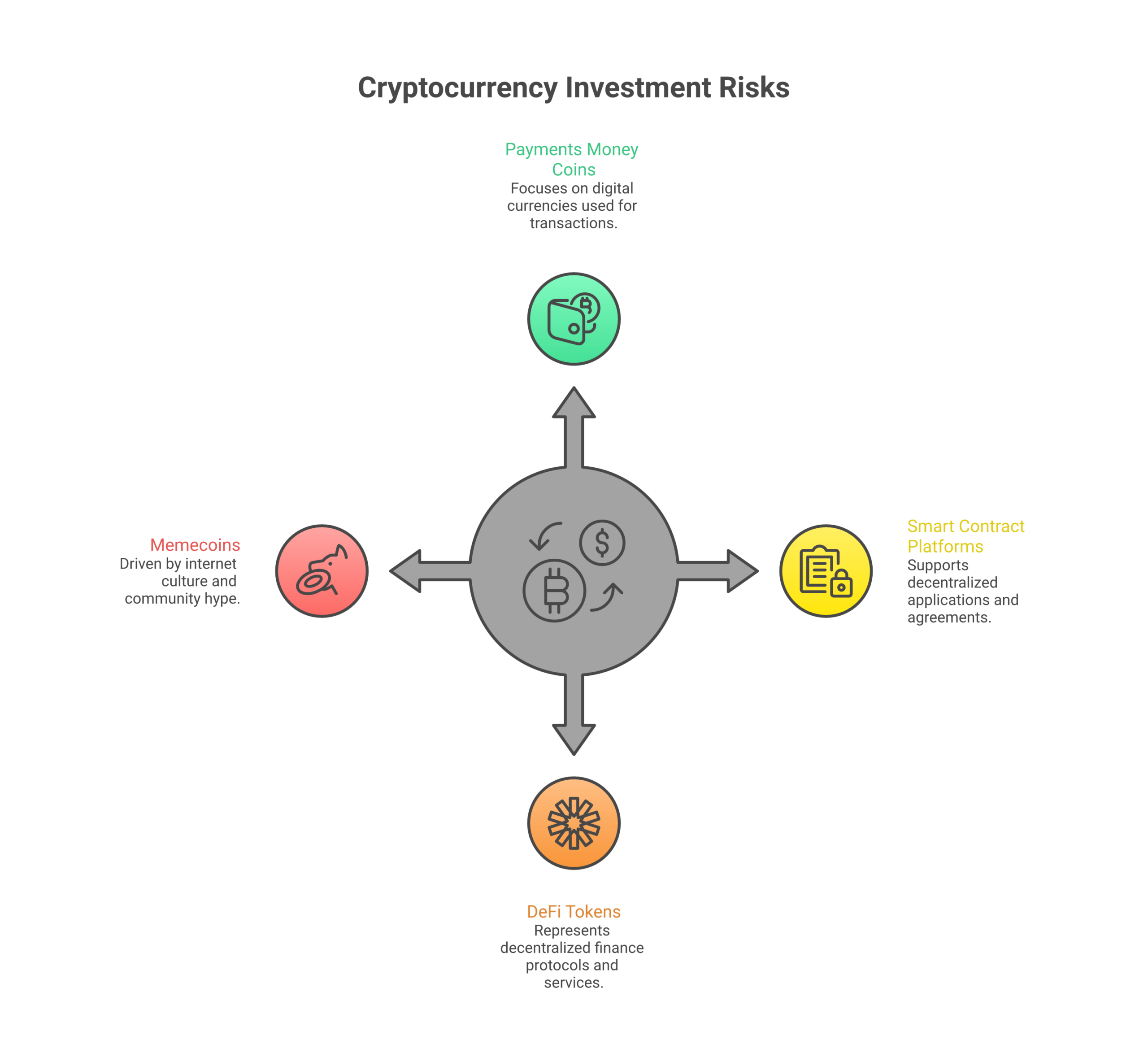
You only need to know what “type” of coin you are looking at.
| Category | Simple idea | Example coins mentioned here | Main beginner risk |
|---|---|---|---|
| Payments and “money” coins | Try to be used for sending value like cash | Older coins like bitcoin gold or some x coin types | Price can swing hard, low use |
| Smart contract platforms | Run apps and tokens on top | eth coin, Cronos with cro crypto, iota coin (more niche) | Complex tech, many moving parts |
| DeFi tokens | Power lending, trading, and yield apps | aave crypto, parts of cro crypto DeFi world | Smart contract bugs, platform hacks |
| Memecoins | Built on jokes, brands, or pets | floki coin, popcat coin, trump coin crypto | Hype, big pumps and crashes |
This table is not perfect, but it helps you see that floki coin lives in a very different bucket than eth coin or aave crypto.
2. A closer look at floki coin and other memecoins
Floki coin is a memecoin that started from a tweet and a dog theme. It has a huge total supply, set at 10 trillion tokens, all created at launch.[^floki-tokenomics] In recent years the team has tried to add gaming, banking tools, and other features, but the token still trades like a high risk meme asset.
[^floki-tokenomics]: For a clear 2026 summary of floki’s supply and token design, see this review of FLOKI tokenomics and total supply.
Memecoins like floki coin or popcat coin can move up very fast when hype is strong, then drop just as fast. Price “prediction” pages for floki coin in 2026 are guesses, not promises.[^floki-price] Beginners often buy late, then hold a big loss when the story cools down.
[^floki-price]: For example only, see this 2026 FLOKI price prediction overview. Treat all predictions as speculation, not advice.
3. Smart contract and DeFi coins: eth, aave, cro, and iota
Smart contract chains and DeFi tokens try to do more serious things.
- eth coin
Powers the Ethereum network, which runs many DeFi and NFT apps.[^btc-altcoins] - aave crypto
Lets people lend and borrow coins in DeFi pools. - cro crypto
Powers the Cronos chain for DeFi, NFTs, and company projects.[^cronos-overview] - iota coin
Uses a special “Tangle” design instead of a normal blockchain and aims at Internet of Things data and payments.[^iota-intro]
[^btc-altcoins]: For a plain summary of how Bitcoin and major altcoins differ in purpose and design, see this 2026 guide on Bitcoin vs altcoins.
[^cronos-overview]: For a current look at how cro crypto powers the Cronos chain and its DeFi and NFT apps, see this 2026 Cronos (CRO) overview.
[^iota-intro]: For a simple intro to IOTA and its Tangle tech, see the official piece on what IOTA is and what it tries to solve.
These projects are not memes alone. They have code, teams, and real apps. But for a new user, they also add more ways to make mistakes, like bad DeFi contracts, bridge hacks, or sending coins to the wrong chain.
4. Simple comparison: purpose vs beginner risk
You can use one key question for any altcoin, from trump coin crypto to aave crypto:
“Is this coin mostly a tool, or mostly a story?”
- Tool coins like eth coin, aave crypto, iota coin, cro crypto, and even bitcoin gold try to solve some real problem.
- Upside: clearer use case.
- Risk: complex systems, bugs, and new rules.
- Story coins like floki coin, popcat coin, or many x coin copies mostly sell a brand or meme.
- Upside: easy to understand.
- Risk: price can be driven almost only by hype.
In 2026, Bitcoin still holds a large share of the total crypto market, while many altcoins fight for attention and real use.[^btc-dominance] That means most altcoins are, by nature, speculative experiments.
[^btc-dominance]: For recent data on Bitcoin’s strong place in the 2026 market and the weaker case for many altcoins, see this review of Bitcoin dominance and the fading altcoin story.
5. How to use this as a true beginner
As a new learner, try this:
- Spot the category first.
- Ask if the coin is a tool or a story.
- Assume the risk is higher than with Bitcoin.
If you still feel foggy on the basics like how coins move on a chain, it helps to step back. Our guide on what a blockchain is in plain English can make the whole picture much clearer before you touch floki coin or any other virtual coin.
If you want calm, step by step help that keeps you focused on learning Bitcoin before you chase meme or DeFi plays, you can Sign Up for the Bitcoin Walkthrough program and build a safe base first.
How to Research Any Altcoin Safely: A Beginner’s Due‑Diligence Checklist
You now know that floki coin, eth coin, popcat coin, and aave crypto all sit in different buckets. The next step is key:
How do you check if a virtual coin is even worth a closer look?
Use this simple checklist for any altcoin, from trump coin crypto to the newest x coin copy.
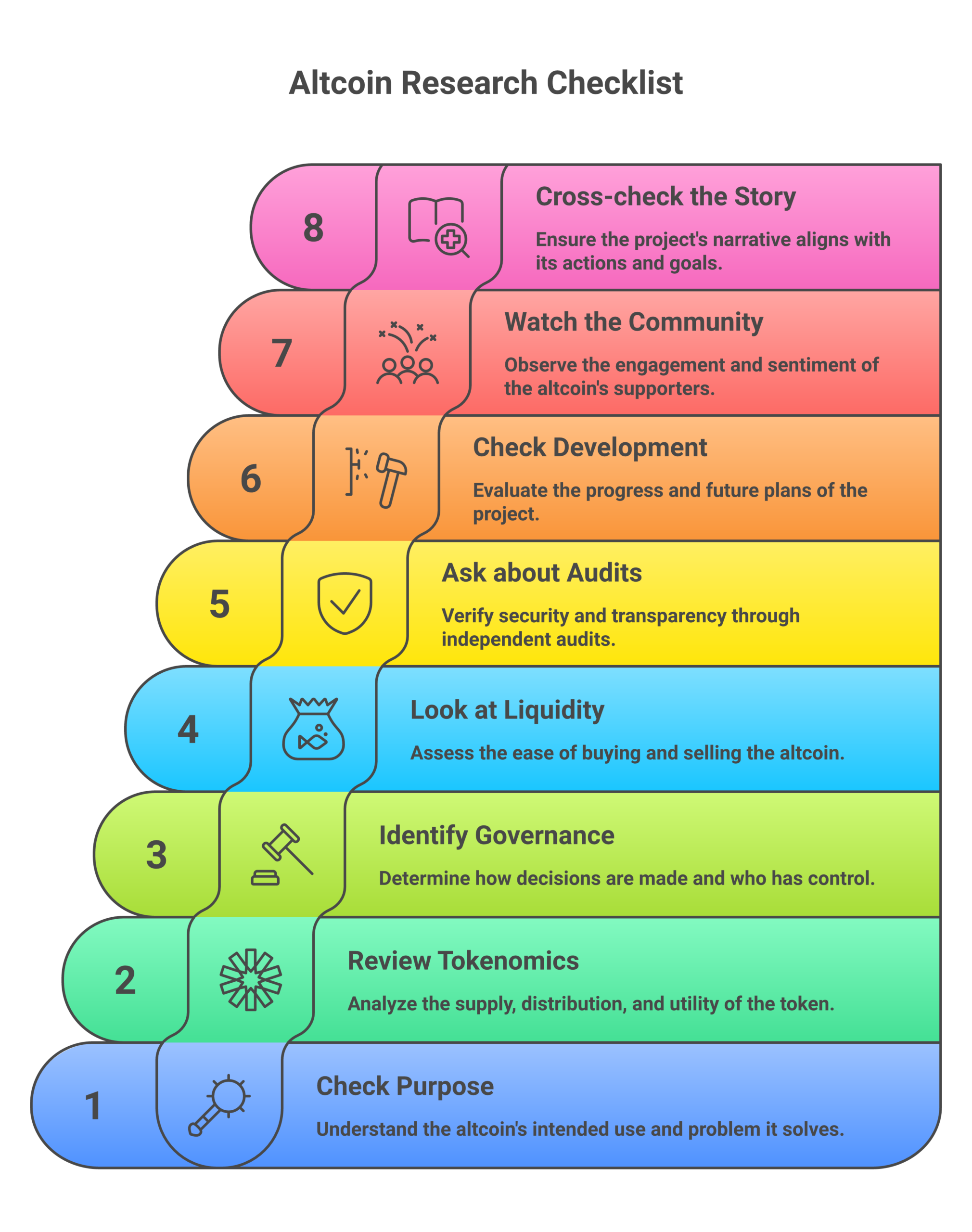
Go slow. Treat every step as “must have,” not “nice to have.” In 2026, good due diligence is a core part of safe crypto use.

[^dyor-2026]
[^dyor-2026]: For a wider 2026 view on what “do your own research” means today, see this guide on crypto due diligence and DYOR in 2026.
1. Start with the purpose
Ask:
- What problem does this coin try to solve?
- Is it a tool coin like eth coin, aave crypto, cro crypto, or iota coin, or a story coin like floki coin or popcat coin?
If you cannot explain the purpose in one short, clear line, you are not ready to touch it.
2. Check the tokenomics in plain words
Tokenomics is just “how the coin is set up”:
- Total supply, like how floki coin has a fixed, huge supply
- Who got the coins first (team, public sale, early insiders)
- How new coins are released, or if all are already out
Look for a simple, public page or paper that shows this. If the numbers feel hidden or very hard to find, that is a red flag.[^coredo-dd]
[^coredo-dd]: For example, many pro teams now follow clear checklists that include open documents and smart contract audits as part of crypto project due diligence, as seen in this overview of due diligence for crypto projects.
3. Who is in charge and how is it run?
This is the governance piece:
- Are the founders named and easy to check?
- Is there a real company or non‑profit behind it?
- Is voting done by holders, or is the team in full control?
If you cannot find any real names or legal group, you are trusting strangers on the internet with your money.[^trm-dd]
[^trm-dd]: In wider finance, due diligence rules now stress knowing who you deal with and how they run risk, as explained in this guide on key considerations for entity due diligence.
4. Look at liquidity and where it trades
Liquidity means “how easy is it to buy and sell.”
- Is the coin only on one tiny exchange?
- Is most trading in one odd pair, like only against some unknown token?
- Are there real buy and sell orders, or does volume look fake and thin?
Low liquidity can trap you. You might buy a memecoin like trump coin crypto or a new x coin, then find there is no one to sell to when you want out.
If you are not sure how to read basic market data, it helps to first learn tools like a Bitcoin block explorer, since the same skills carry over to most chains.
5. Ask about audits and code risk
For smart contract coins and DeFi, like aave crypto or parts of cro crypto:
- Has the main smart contract been checked by a known audit firm?
- Is the audit report public and recent?
- Did they fix the issues that the audit found?
No audit does not always mean scam. But in 2026, serious DeFi with real money at risk almost always has at least one audit and plans for more.
6. Check development and updates
You do not need to read the code. You just look for signs of life:
- Is the code on GitHub or similar, with recent changes?
- Do they post clear updates on what they are building?
- Are big promises backed with real progress, or just hype videos?
A memecoin like popcat coin may not have deep tech goals, so there will be less code. That is fine, as long as you know it is pure meme and price play, not a tech bet.
7. Watch the community and how open it feels
Join the public spaces:
- Telegram, Discord, X (Twitter), Reddit
- Official blog or news page
Look for:
- Clear rules and open talk
- Space for hard questions
- Simple answers instead of insults or “just trust” replies
If anyone who asks about tokenomics or team wallets gets banned, walk away.
8. Always cross‑check the story
Never trust only the project’s own site.
- Check a few neutral news or education sites
- See if what they claim matches what others report
- Be extra careful with price “targets” and wild return promises
In 2026, even big firms must follow stricter rules around crypto risk and money flows.[^compliance-2026] If a tiny coin ignores all risk talk and only shouts “number go up,” that is your signal to slow down.
[^compliance-2026]: For context, see how mainstream finance now treats crypto in this review of crypto compliance in 2026.
9. Final safety step before you act
Before you move any money into floki coin, eth coin, bitcoin gold, or any other virtual coin, ask yourself:
- Do I understand what this coin does?
- Do I know how to store it and move it safely?
- Can I afford to lose this full amount?
If the answer is “no” for any of these, your next step is not “buy.” Your next step is “learn.”
A calm way to do that is to build a strong base with Bitcoin first, then look at altcoins later. If you want a simple, step by step path with checklists like this one, you can Sign Up for the Bitcoin Walkthrough program and learn how keys, wallets, and safe habits work before you ever chase a meme or DeFi coin.
How to Buy and Store Altcoins Securely (and When Not To)
You have your checklist. Maybe you like floki coin, a tool coin like eth coin or aave crypto, or a fun meme like popcat coin.
Now comes the risky part: actually buying and holding a virtual coin.
Let’s keep this very simple and very safe.
Step 1: Pick and set up your account the safe way
Before you buy floki coin, trump coin crypto, iota coin, or any other x coin, slow down.
1. Check the platform
- Use only well known, legal exchanges in your area
- Read a few recent reviews
- Make sure the web address is correct, not a copy site
If you are not sure how exchanges work, this guide on what Coinbase is and which product beginners should use gives a clear, beginner view.
2. Turn on strong security
On any exchange you use:
- Turn on two factor login (2FA) with an app, not just SMS
- Use a long, unique password
- Add extra checks for withdrawals if the site offers them
Modern wallet security guides for 2026 stress 2FA on all crypto and email accounts as a must, not a bonus, and suggest storing backup codes with your seed phrase backups for safety.[^cobo-security]
3. Start tiny and test
When you buy floki coin or cro crypto for the first time:
- Start with a very small amount
- Make one tiny test buy
- If you plan to move coins to your own wallet, do a tiny test send first
If the test feels hard or confusing, do not send more. Fix the problem, then try again.
Step 2: Learn storage 101 before you move size
You can store coins in two main ways.
| Type | Who holds the keys | Simple use case |
|---|---|---|
| Custodial | Exchange or app | Very small amount, short term trading |
| Self custody | You | Savings, longer term holds like bitcoin gold |
To see why keys matter, it helps to learn what private keys and public keys really mean. In crypto, the one who holds the private key controls the coins.
Step 3: Use self custody the right way
If you move floki coin, eth coin, or iota coin off an exchange, you will use a wallet that gives you a seed phrase.

This is a list of 12 to 24 words. It is the master key.
Basic rules:
- Write the words on paper, by hand
- Never type them into a web form, chat, or email
- Keep one or two paper copies in safe, separate places
- Anyone who sees the full phrase can take your coins
Security guides in 2026 advise using hardware wallets and keeping keys offline when possible, since this cuts most online hacking risk.[^binance-security]
Step 4: Level up with a hardware wallet
For any real amount of cro crypto, eth coin, floki coin, or bitcoin gold, a hardware wallet is a strong next step.
- It keeps your keys offline
- You sign each send on the device itself
- Even if your computer has malware, your keys stay safe
Modern checklists also teach how to avoid fake devices and wallet scams.[^ledger-checklist]
If you want a full, slow walkthrough of keys, wallets, and safe sends before you risk bigger sums, you can Sign Up for the Bitcoin Walkthrough program and practice with small Bitcoin amounts first. The same safety habits then carry over to any altcoin.
Step 5: Watch for phishing and fake apps
Most people do not lose coins from “hacks.” They lose them from tricks.
Be on guard for:
- Fake support emails that ask for your seed phrase
- Fake wallet apps in app stores
- “Admin” in Telegram or Discord that DM you first
- Sites that look like your exchange but have a slightly wrong URL
Modern crypto security guides for 2026 warn that complex setups can cause user mistakes, so it is better to keep your system simple and clear, but with strong basics like 2FA and offline key storage.[^richmond-security]
If anything asks for your seed phrase, it is almost always a scam.
When not to buy at all
You should not buy floki coin, popcat coin, aave crypto, or any other virtual coin yet if:
- You do not know where your backup is
- You have never done a tiny test send
- You feel rushed or pushed by a friend or influencer
In that case, your smartest move is to learn more first, not to “ape in.” Start with simple tools like a Bitcoin block explorer, then build up to self custody and hardware wallets at your own pace.
[^cobo-security]: See this 2026 guide on crypto wallet security best practices for why 2FA and careful backup storage are now standard.
[^binance-security]: For a clear 2026 overview of why hardware wallets and multi factor security matter, see this post on protecting digital assets with hardware wallets and MFA.
[^ledger-checklist]: This crypto wallet security checklist explains how to protect against malware and fake wallet tricks.
[^richmond-security]: For a broader 2026 view on balancing ease of use with strong security, see this guide to modern crypto wallet security.
Risk Management for Beginners: Avoiding Scams, Overexposure, and Regret
You are not just buying floki coin or popcat coin. You are also buying risk.
So let’s make some simple rules to protect you from scams and from yourself.
Spot the big red flags
If you see any of these, pause or walk away.
1. Unrealistic returns
- “This x coin will 100x this month”
- “Guaranteed profit”
- “You can’t lose”
Crypto is never a sure thing. If it sounds too good, it is not safe.
2. Pressure to act fast
- “Offer ends in 10 minutes”
- “Buy floki coin now or miss it forever”
- “Send iota coin today or the bonus is gone”
Real investing gives you time to think. Scams try to rush you.
3. Fake support and fake helpers
Scammers often pretend to be:
- “Support” from your exchange
- “Admin” in a group chat
- A “pro trader” who will “manage” your eth coin or cro crypto
Modern wallet security checklists show that social tricks like this cause more loss than pure hacking, since people are fooled into sending coins or sharing data.[^ledger-checklist-main]
If someone messages you first and offers help with your virtual coin, be careful.
4. Impersonation scams
- Copy accounts with the same photo and name
- Tiny spelling changes in usernames
- Fake “official” channels for trump coin crypto or aave crypto
Check the real name and links on the official site, not just in chat.
Simple rules that keep you safe
You do not need to know every scam. You just need strong habits.
Rule 1: Never share your seed phrase
- Not with support
- Not with a friend
- Not with anyone “recovering” your wallet
Your seed phrase is the master key. Anyone who gets it can take your bitcoin gold, floki coin, or any other coin.
Rule 2: Always check the address bar
Before you log in or send:
- Type the exchange address yourself or use a bookmark
- Look for small changes like “coinbsae” instead of Coinbase
- Check for the lock symbol in the browser
If anything feels off, stop and close the page.
If you are not fully sure what is happening behind the scenes, this guide on what a blockchain is in plain English can help you see why fake sites are such a big risk.
Rule 3: Use only official apps
- Get wallet apps from the official website or trusted app store
- For hardware wallets, buy direct from the maker, not from random sellers online
- Check the app name and publisher very carefully
Modern 2026 security guides also say to keep keys offline and turn on strong login checks so even if an app is attacked, your coins stay safer.[^binance-security-main]
Rule 4: Limit risk per coin
It is easy to fall in love with one virtual coin. Maybe floki coin, popcat coin, or cro crypto.
Set a simple cap:
- “No more than 1 to 5 percent of my total money in any one coin”
- “No more than X dollars in pure meme plays”
This way, if a single x coin goes to zero, it hurts your pride, not your life.
Simple steps to cut regret
Regret comes from moves you did not understand.
To reduce that:
- Only invest what you can afford to lose
- Write down why you bought each coin
- Decide in advance when you will sell, for profit or for loss
- Sleep on big moves, do not act in the middle of hype
If a move feels cloudy or rushed, it is a sign to slow down and learn more first.
You can also deepen your basics with tools like a Bitcoin block explorer so you see how real transactions work before you push larger sums.
Want guided practice before you risk more?
If you feel scared of scams, you are normal.
A gentle path is to learn with small Bitcoin amounts in a safe, step by step way, then later apply the same habits to floki coin, eth coin, or any altcoin.
The Bitcoin Walkthrough program does just that. It gives you plain language lessons, clear checklists, and slow practice so you can spot red flags and protect yourself before real money is on the line.
When you are ready, you can Sign Up and turn all this risk talk into calm, simple action.
[^binance-security-main]: See this 2026 guide on protecting digital assets with hardware wallets and multi factor security for why offline storage and strong login checks are now standard.
[^ledger-checklist-main]: This crypto wallet security checklist explains how common scams use fake support and malware to steal coins, and how to lower that risk.
Summary
This guide helps total beginners understand altcoins—any virtual coin that is not Bitcoin—including popular names like floki coin, IOTA coin, CRO crypto, Aave crypto, and meme coins like popcat coin. You will learn what altcoins are in plain English, why they attract so much attention online, and how hype works on new tokens. The article explains why many altcoins fail even when they look exciting, and how to think about them alongside Bitcoin rather than as a replacement. It provides easy checklists to research any coin step by step, spot basic red flags and common scams, and avoid "too good to be true" promises. You will also learn how to buy and store altcoins safely, manage risk, and stay in control of your money. By the end, you will be able to move slowly, check facts, and only take risks you truly understand.
Leave a Reply